
While it would be nice to go through life with complete certainty, never questioning our choices, it doesn’t (usually) work out that way. This is especially true of the big choices in our lives, and faith is arguably one of them. Faith and spirituality can give our lives meaning, providing us with comfort and connection. But our relationship with our faith isn’t always straightforward.
You may find yourself questioning beliefs you once accepted without hesitation. This could look like uncertainty about teachings from your religious upbringing, struggling with experiences within a faith community, or trying to reconcile your personal values with what you have been taught. But when these doubts come up, it can be difficult to address them. Exploring these questions may feel like you’re going against your faith. But that is not true.
Talking with a therapist, specifically one who understands your beliefs, can help you explore these feelings without judgment. If you’re looking for a way to explore questions about your faith or simply trying to make sense of your spiritual journey, therapy can help.
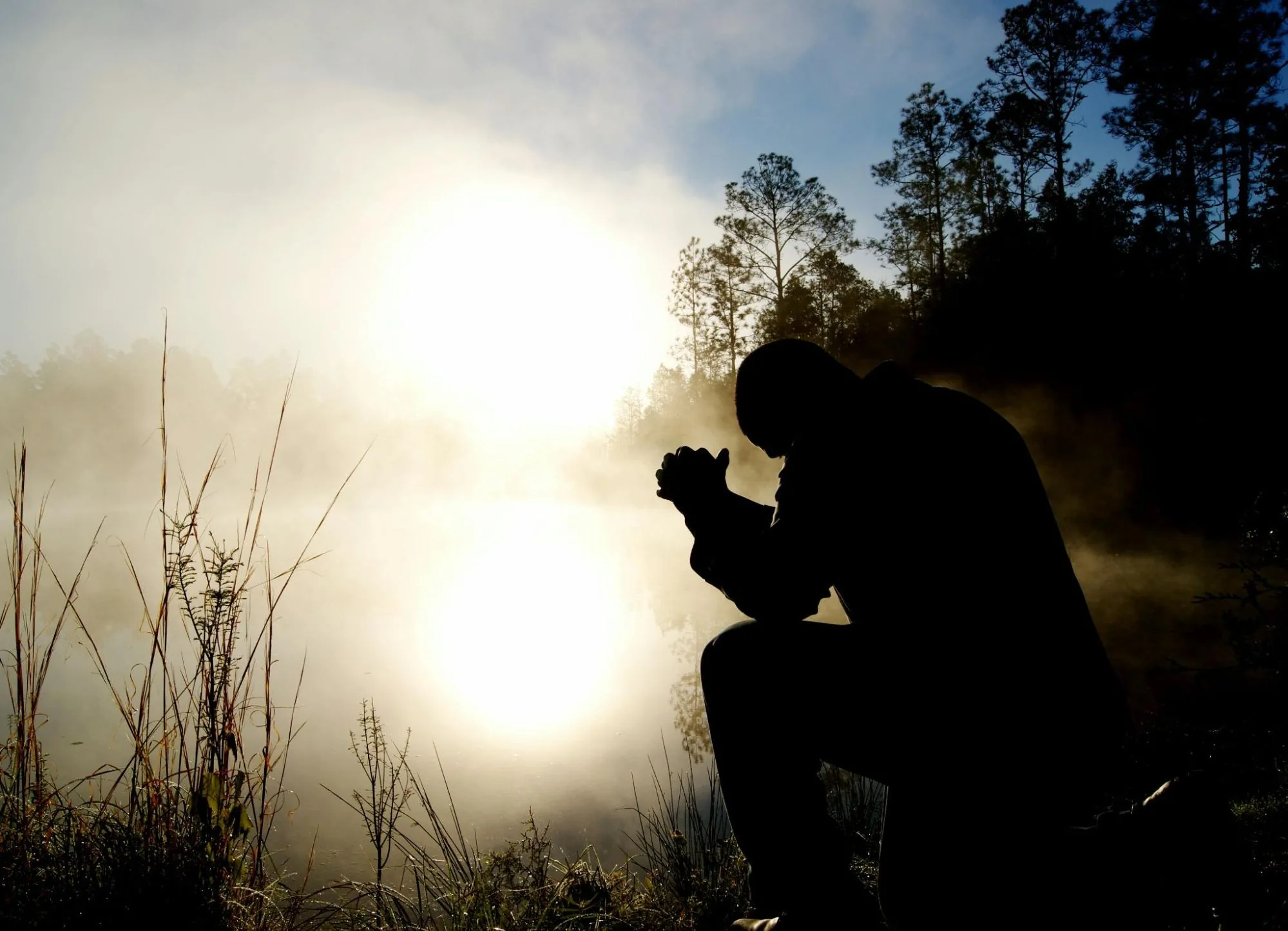

Faith deconstruction is when you focus on reevaluating beliefs, practices, traditions, or assumptions that have shaped your spiritual life. For some people, these questions lead to a renewed and stronger faith. Others may decide to make significant changes to their beliefs or spiritual identity. Or it could be a mix of both, and it looks different for everyone. It could also be the result of a specific event or the gradual change in your feelings over time. Whatever the case, therapy fits into your life, not the other way around.
“Consider it pure joy, my brothers and sisters, whenever you face trials of many kinds, because you know that the testing of your faith produces perseverance. Let perseverance finish its work so that you may be mature and complete, not lacking anything.” – James 1:2-4
Questioning is not necessarily a bad thing, and faith deconstruction doesn’t mean you’re abandoning your faith. Think of it like inspecting the structure of a building; sometimes you find something that needs to be fixed. But the result is a stronger foundation. Similarly, you can benefit from taking a deeper look at how different experiences have made you feel. Some of your beliefs may remain the same, while others change or expand.
If you relate to any of the following, faith deconstruction may be the right path forward:
This process can be difficult and bring up uncomfortable feelings, but it is worth going through to experience growth and greater self-awareness. As it is commonly said, it’s about the journey, not the destination. In the same way, you don’t approach faith deconstruction with one specific ending in mind. The important aspect is the questions you ask yourself along the way.
These questions may lead to a larger change in your life. While faith deconstruction is more specific to a specific teaching or belief, a faith transition is the decision(s) that come from your examination. It is more overarching and can affect multiple areas of your life. Instead of just focusing on your beliefs as they relate to your faith and community, a faith transition is how your day-to-day life will change as a result.
For instance, the questions that arise during faith deconstruction may lead you to transition to a new church. This impacts who you interact with regularly, and you may have to adjust your routine around service schedules or community gatherings. There may also be ripple effects that you don’t expect and have to manage along the way. That’s why it is important to have someone, like a therapist, to help you as you navigate these shifts.
Faith influences more than just spiritual practices; it shapes how we see ourselves, our relationships, and our purpose in life. So when you make changes or ask questions related to your faith, it often ends up spilling over into your personal life.
As you work through a faith deconstruction/transition, you might find yourself wondering who you are without these beliefs. It may feel difficult to make decisions without the structure you’re used to, and others in your life may not understand why you’re making these changes.
Like anything you do for the first time, there is uncertainty about how things will turn out. While this can be intimidating, it can also be looked at as an opportunity to better understand yourself. You decided to ask yourself these questions for a reason. By exploring them with a therapist, you can work toward finding the answers at your own pace.
For some individuals, faith deconstruction is connected to religious trauma. This can happen when spiritual teachings, authority figures, or faith communities contribute to experiences of fear, shame, control, manipulation, abuse, or emotional harm.
Those experiences can affect you for a long time, even if you’ve left the particular church or community that caused the trauma. It can result in chronic anxiety, perfectionism, low self-worth, or feelings of shame or guilt. These feelings won’t just disappear on their own.
In many cases, you don’t really know how much something has affected you until you start to talk about it. Therapy offers a supportive environment to process your experiences. Your therapist will work with you to help you understand their impact and develop healthier ways of relating to yourself, others, and your spirituality.
Faith deconstruction and transition counseling can help those struggling with:
No two faith journeys are the same. Just like your relationship with your faith is unique to who you are, therapy is tailored to your specific experiences, beliefs, and goals.

No. Many people who deconstruct their beliefs continue practicing, whether in a similar or entirely new way. Questioning doesn’t automatically equal losing your faith.
No. Therapy is not about persuading you toward or away from any particular belief system. The goal is to help you explore your experiences, thoughts, and emotions in a supportive environment.
Absolutely. Questioning, reflection, and spiritual exploration have been part of faith traditions for centuries. Many people find that asking difficult questions ultimately leads to greater understanding and personal growth.
Guilt is a common experience during faith transitions. Therapy can help you explore where those feelings come from, understand their impact, and develop a healthier relationship with uncertainty and self-trust.
It’s completely normal to have anxiety during this experience. Questioning beliefs that have been part of your life for a long time would cause stress for anyone, faith-related or otherwise.
Faith deconstructions and transitions can sometimes create tension within important relationships. Counseling can help you navigate these conversations, establish healthy boundaries, and make decisions that align with your values.
No. Many clients seek counseling while remaining actively involved in their faith community. Others may be exploring changes in belief, reconstructing their faith, or processing past experiences. Therapy supports people wherever they are in their spiritual journey.
No matter what brings you to therapy, there is no set timeline for treatment. Some people are in therapy for months, years, or throughout the rest of their lives. Because there is no definitive end goal with therapy, it is available as long as you need or want.
That is okay. You do not need to have answers before starting therapy. In many cases, counseling provides the space needed to explore uncertainty and better understand yourself.
Faith deconstruction and/or transition counseling offers a supportive space for anyone questioning or struggling with their beliefs. You can explore difficult or uncomfortable questions without the fear of being judged by your therapist. The process may take time, and not everything will be fixed in one session. But it can help you develop a deeper trust in yourself and your decision-making abilities. You will also learn tools to use outside of sessions that can help with feelings of anxiety, guilt, and shame that may stem from past religious experiences.
Counseling can help you clarify what is most important to you, helping you set boundaries and create healthier relationships with your friends, family, or faith community. It can also help you communicate those boundaries in a way that is respectful but firm. Ultimately, therapy is not here to dictate your beliefs but rather to help uncover what feels genuinely meaningful to you. Whether your faith becomes stronger, evolves, or changes completely, there is no specific end goal in mind other than clarity and understanding.
I provide a compassionate, nonjudgmental space for individuals navigating faith transitions, spiritual questions, and religious trauma. I understand that these experiences often involve much more than beliefs alone. They can affect identity, relationships, emotional well-being, and your sense of belonging.
Together, we can explore these questions and any emotions that come up during this process. Whether you are reevaluating long-held beliefs, healing from painful religious experiences, strengthening your faith, or searching for greater clarity, I will meet you with curiosity, respect, and compassion.
You do not need to have everything figured out before beginning therapy, and it’s not about finding the “right” answers. It is about being honest with yourself so you can live your life in a way that feels authentic and right for you.
If you are in Tampa, Apollo Beach, Valrico, or nearby areas, treatment is available through secure online sessions and walk-and-talk therapy. Online therapy allows you to access support from the comfort of your own space, while walk-and-talk sessions offer a more movement-based option in a calming outdoor setting.
Here are a few steps to get you started:
In addition to Faith Transition and Deconstruction Counseling, we offer the following services:

Chad Thompson, LCSW, is a Licensed Clinical Social Worker providing Christian Counseling via walk-and-talk therapy in Tampa, Florida, and telehealth services across Florida, Idaho, Ohio, South Carolina, and Utah. To learn more about me and gain more insight into my therapeutic approach, check out my blog.
Please schedule a consultation with me if you would like to learn more about how I can help you.
You don’t have to navigate your faith journey alone. Whether you are questioning long-held beliefs, working through a faith transition, or healing from painful religious experiences, counseling offers a supportive, nonjudgmental space to explore your beliefs, identity, and path forward at your own pace.