

Anxiety is something we all experience, and it isn’t necessarily a bad thing. It’s an indication that something in our lives is causing a reaction. It might be anticipation of an upcoming event, concern about past actions, or a result of overthinking our lives with no real catalyst.
Anxiety can also stem from experiences related to our faith. Even though religion and spirituality are often seen as sources of comfort in times of distress, they can also cause stress or difficult feelings. And when the very place you seek help becomes a source of distress, it can be hard to know where to turn. This makes coping with religious anxiety even more challenging.
What Does Anxiety Look Like?
Anxiety can look different from person to person, but some common symptoms that come up for most people are:
- Feeling anxious – This one is pretty straightforward–feeling anxious, worried, nervous, or on edge is the hallmark symptom of anxiety.
- Uncontrolled worry – People with anxiety may find it very difficult to stop or control their worries. This may also look like having worries that seem disproportionate to the issue at hand.
- Restlessness – Feeling restless, fidgety, or “on edge” is another key symptom of anxiety.
- Fatigue – When people experience anxiety, they often feel like they become tired more easily than usual.
- Difficulty concentrating – People with anxiety may notice they have difficulty concentrating or that their mind just goes blank at times.
- Irritability – Feeling more irritable than usual is one of the main symptoms of anxiety.
- Muscle tension – People with anxiety often find that their bodies feel tense.
- Trouble sleeping – When people experience anxiety, they may have difficulty falling asleep or staying asleep. They may also experience restless sleep or feel unrefreshed after a night’s sleep.
If you’re experiencing emotional distress and need support, call the National Suicide Prevention Hotline at 1 (800) 273-8255
It’s totally normal to feel worried about getting sick, the changes to daily life, and all of the unknowns right now. However, if you feel like these worries are consuming your life, there may be something more going on.
What Is Religious Anxiety?
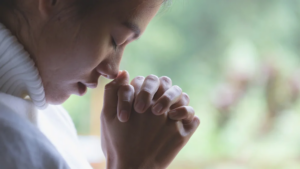
Religious anxiety isn’t a one-size-fits-all issue. Maybe you experienced a stressful situation either in your church or related to it. You could also be experiencing a crisis of faith and feel like you aren’t devout enough. Or, you may also be experiencing doubt about your beliefs, leading to feelings of guilt and stress.
Experiencing religious anxiety in no way means that you are not strong in your faith. In fact, it’s almost an indication of how important your faith is to you. It is important to explore these feelings rather than push them down. By working through your religious anxiety, you can develop a deeper relationship with God.
How to Treat Anxiety
Even though your anxiety may feel out of control right now, it can be treated. There are lots of options out there to help you feel better. If you’re experiencing religious anxiety, your spiritual leader may be the first person who comes to mind to talk to. But if you aren’t comfortable going to them with your anxieties, talking to a therapist is a great way to discover what treatments might work for you.
In therapy, we’ll practice confronting your anxieties and develop more effective coping strategies. I use cognitive behavioral therapy (CBT), mindfulness, and exposure and response prevention (ERP) therapy to help people manage their anxiety. With CBT, we can dig into your worries and explore them from a different perspective. With ERP, we’ll confront your anxieties head-on and use different coping skills to help you feel better.
Together we can challenge your anxious thoughts and help you feel more in control. Reach out to schedule an appointment, either in person through walk-and-talk therapy or in a secure virtual setting. I recognize that sitting still can be a challenge when experiencing anxiety, which is why my in-person sessions use a walk-and-talk approach.
Even though we’ll be doing a lot of meaningful work together in session, it’s important to keep the momentum going when you’re back home. You may want to incorporate some of these coping techniques in addition to therapy:
- Limit caffeine — reduce your intake of coffee, tea, soda, and energy drinks since caffeine can make anxiety feel worse
- Breathe — sit quietly and take deep breaths in and exhale fully — this can help send your brain a signal to relax
- Move your body regularly — physical exercise can help reduce anxiety
- Write down anxious thoughts — getting your worries out on paper can help ease your mind
- Limit news consumption — it’s important to stay informed, but being constantly bombarded with stressful news can increase anxiety.
About the Author

Chad Thompson, LCSW, is a Licensed Clinical Social Worker providing walk-and-talk therapy in Hillsborough County, Florida, and telehealth services across Florida, Utah, Idaho, and South Carolina. With a unique background in cinema studies and over a decade of experience in hospitality, Chad brings a distinctive storytelling approach to therapy, helping clients see their struggles and growth from new perspectives.
He specializes in faith-based counseling that integrates clinical expertise with Christian values, offering services including anxiety therapy, depression treatment, and support for those experiencing religious anxiety or trauma. Chad’s warm, authentic style creates a safe space where faith and mental health can work together toward healing.
Contact us today to schedule a session and take the first step toward a more peaceful life.