

Healing from trauma takes time, no matter what the reason behind it. Every person’s pain is valid and deserves care. But the kind that stems from military service or religious experiences results in a specific type of guilt, loss, or confusion.
For many veterans, sitting in a traditional therapy setting can feel too intense or too still. The same can be true for individuals who have experienced religious trauma. Walk and talk therapy offers another option. By combining movement with conversation, it creates a natural rhythm that helps people process experiences at their own pace.
What Is Walk and Talk Therapy?
Walk and talk therapy takes the traditional therapy session outdoors. Instead of sitting face-to-face, the therapist and client walk side by side, often in a park or quiet outdoor space. The simple act of walking helps lower stress levels, regulate breathing, and make difficult conversations feel more approachable.
This approach is not about exercise or distraction. It is about using the rhythm of walking to support emotional flow. When we move, we often find it easier to think clearly and express ourselves. For those carrying the weight of military or spiritual wounds, being outside can help them feel grounded and safe.
Balancing Duty and Family Life
Military life often requires balancing a demanding career with family relationships. This can mean frequent relocations, long absences, and the stress of managing everything on the home front.
Whether you are an active-duty service member, a veteran, or a military spouse, therapy can provide a supportive space to explore your family dynamics, strengthen communication, and address the conflicts that arise under stress. The goal is not only to process trauma but to build resilience, ensuring that each family member feels heard and supported.
How Walking Can Help With Military Trauma
Many veterans live with the lasting effects of trauma after service. Flashbacks, survivor’s guilt, and emotional numbness can make daily life exhausting. Talking about those experiences in a clinical room can sometimes feel too confined or detached. Walking, on the other hand, brings movement back into the body. It mirrors the sense of direction and purpose that military life once provided.
For some, walking evokes the memory of patrols, marches, or structure. In therapy, that familiarity can become a bridge to healing rather than a trigger. The physical act of putting one foot in front of the other can help veterans begin to reconnect with their bodies and reclaim a sense of agency.
Clients who have difficulty with eye contact or who shut down when confronted with painful memories often find that conversation flows more naturally outdoors. The open environment can also reduce hypervigilance, allowing the nervous system to relax.
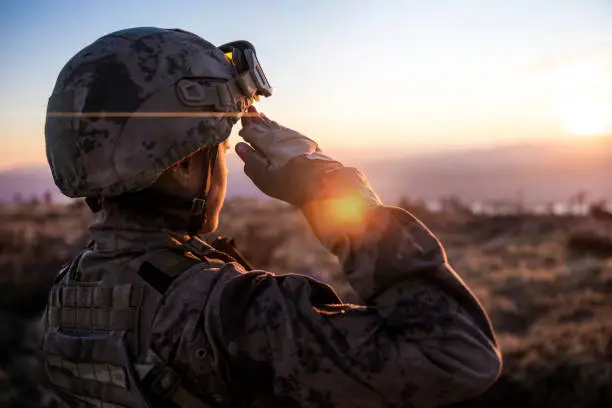
The Overlap Between Military and Religious Trauma
Religious trauma can develop when faith is used in ways that cause fear, guilt, or emotional harm. For many veterans, the intersection between faith and trauma can be complicated. Questions about morality, forgiveness, and purpose often arise after combat. Some may feel abandoned by the faith that once guided them, while others may struggle with guilt that feels spiritual as much as psychological.
Walk and talk therapy with a Christian focus allows clients to explore these questions without judgment. The outdoors provides a sense of spaciousness, both physically and emotionally. There is no pressure to have the right answer or to resolve every question. Instead, the goal is to move toward understanding and peace.
Forrest Gump and Healing Through Movement
Watching a film like Forrest Gump can provide insight into what some veterans and survivors of religious trauma experience after deep loss or moral conflict. After losing friends in combat and returning home to a world that has changed, Forrest begins to run. He is not trying to escape his trauma, but rather process it. That movement becomes a way to manage what he can’t say.
For people living with the weight of military service or spiritual pain, walking can serve a similar purpose. It gives the body something to do while the mind begins to sort through memories and emotions.
In walk and talk therapy, movement serves the same function. Clients are not expected to leave pain behind but to begin carrying it differently. Walking can calm the body and give the mind room to make sense of experiences that have felt confusing or painful.
Moving Forward in Mind and Body
Recovering from trauma requires patience. Whether you or someone you love is struggling with military memories, spiritual wounds, or both, the path toward healing often begins with small acts of trust. Walking with a therapist can become one of those acts. It combines physical grounding with emotional processing, offering both movement and meaning.
Walk and talk therapy is also flexible. Typicall taking place outdoors, the location is selected to align with the your unique needs and preferences. When the weather doesn’t cooperate, you and your therapist can easily shift to an indoor location and continue your progress.
Where to Start
Healing doesn’t happens all at once. It is a process made up of small moments that lead to your end goal. Walking beside a therapist can offer space to breathe, reflect, and move at a pace that feels right for you.
For those living with military or religious trauma, each step can help restore connection between body and mind. As you walk, you may begin to notice shifts in how you carry memories, how you relate to your surroundings, and how you feel within yourself.
Walk and talk therapy creates room for both reflection and progress. It helps you move through what has felt heavy and begin to see the possibility of balance, peace, and renewal in the life you are building now.
About the Author
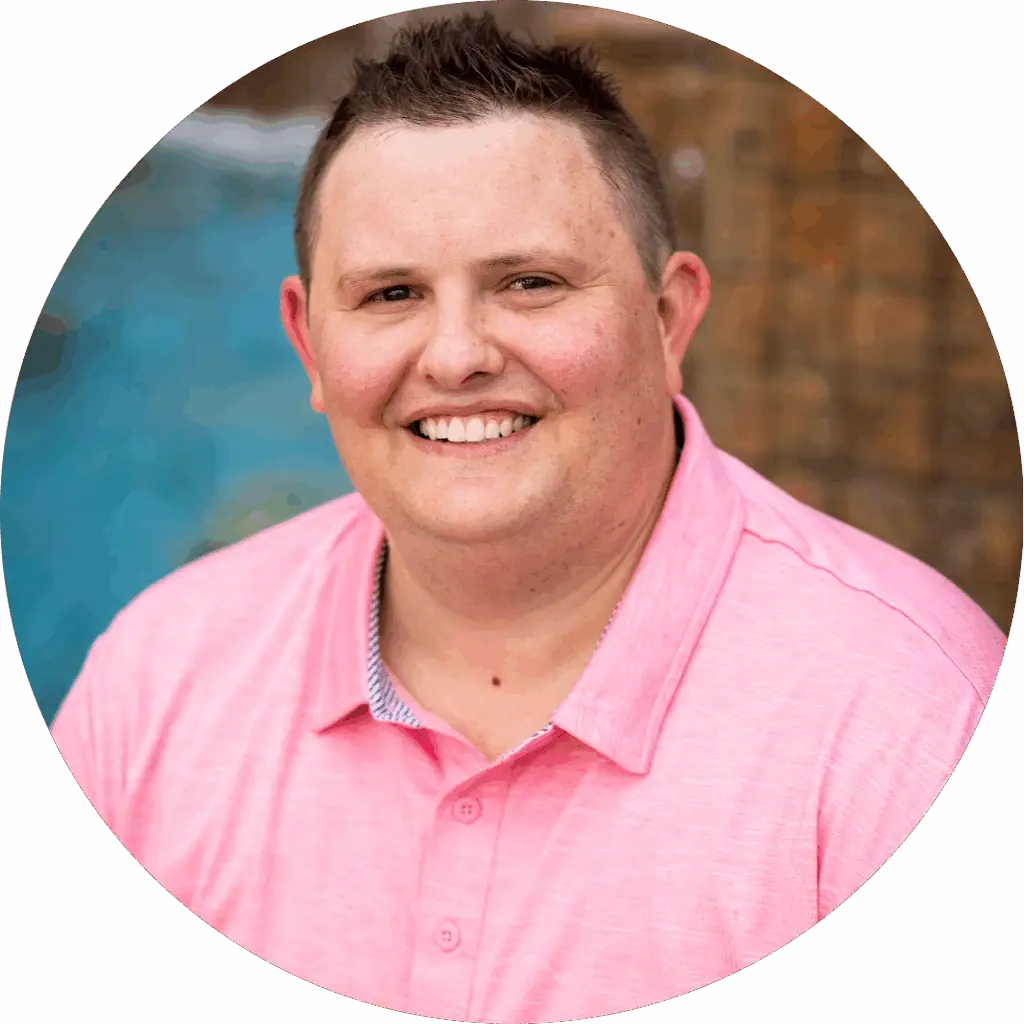
Chad Thompson, LCSW, is a Licensed Clinical Social Worker providing Christian Counseling in Tampa, Florida, and telehealth services across Florida, Utah, Idaho, and South Carolina. With a unique background in cinema studies and over a decade in hospitality, Chad brings a distinctive storytelling approach to therapy that helps clients see their struggles and growth through new perspectives. He specializes in faith-based counseling that integrates clinical expertise with Christian values, offering services including anxiety therapy, depression treatment, and support for military families. Chad’s warm, authentic style creates a safe space where faith and mental health can work together toward healing. Learn more about Chad’s approach to Christian Counseling and cinema therapy at Calming Transformations Counseling.
Sessions can be held through online therapy in the states of Florida, Idaho, South Carolina, or Utah. Sessions are also conducted in-office in Riverview, Florida, or via walk-and-talk therapy in Hillsborough County, Florida.
Contact us today to schedule a session and take the first step toward a more peaceful life.