
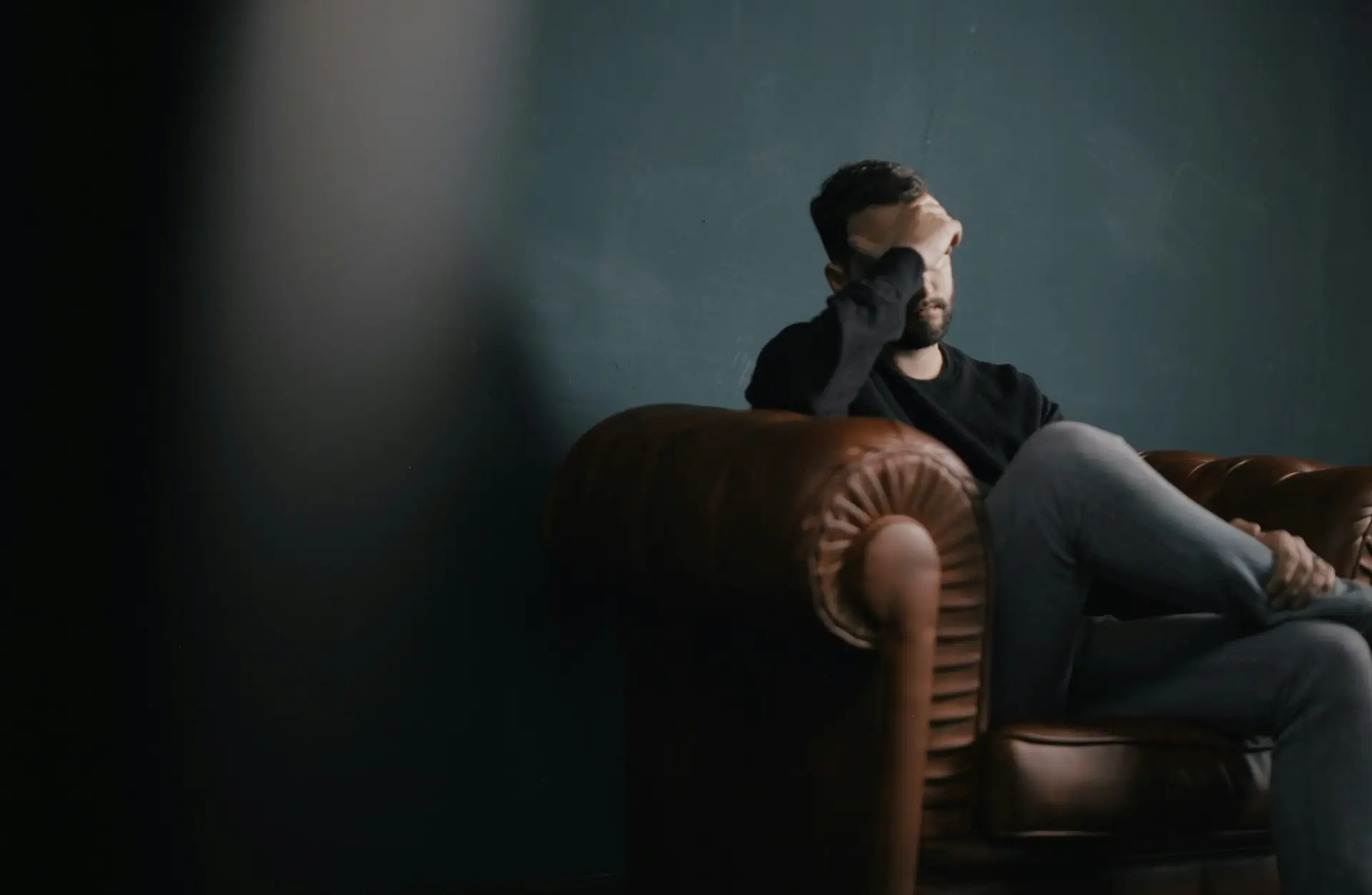
Understanding the Impact of Religious Trauma
When we realize that a religious environment is harming us or isn’t healthy anymore, we may start questioning the motive of this environment or leave it altogether. Naturally, we would expect to feel relief and like we had lifted a huge weight off our shoulders. But that’s not always true, because you can be hit with feelings like guilt, shame, stress, fear, and anxiety. You could feel stuck and confused, because these feelings linger even after you escape.
This is completely normal. Religious trauma can have a lingering effect on the way you think, feel, or respond, even if the experience is over. This is how our minds react to and process trauma; it doesn’t mean there’s something wrong with you. Understanding religious trauma symptoms may be a good step to make sense of these feelings.
What Are Religious Trauma Symptoms?
Religious trauma symptoms are emotional, mental, physical, spiritual, and relational responses that are created due to a bad and unhealthy religious experience. This involves feelings of fear, shame, a need for control, or perfectionism as a means of validation. These responses can affect you through your thoughts, emotions, identity, relationships, and spirituality.
Everyone’s symptoms aren’t the same; some people struggle with anxiety and guilt, others can struggle with trust, setting boundaries, or feeling connected to their emotions and feelings. Some people experience these symptoms early on while still in the religious environment; others may experience them much later. That doesn’t make the pain any different.
You don’t need to grow up in a religious environment to have religious trauma; symptoms are more likely to show when fear, shame, or rejection is connected to someone’s religious experience. These feelings can continue through adulthood, which is why religious trauma in adults is both common and valid.
What Are Common Triggers for Religious Trauma Symptoms?
Religious trauma symptoms don’t show up every day; they usually appear when something triggers a memory of your past experiences, such as hearing a sermon, celebrating a religious holiday, or having a conversation about faith. Even hearing familiar songs and prayers and going to religious places can bring you back to memories you believed were behind you.
These feelings can feel intense and confusing, especially when your beliefs have changed. Your mind and body may automatically recognize specific locations, topics, or memories where you once felt unsafe. This response can cause you to feel the same old emotions before you understand why.
Why It Can Be Hard to Let Go of Guilt
Guilt is one of the most common religious trauma symptoms, but not all guilt has the same effect on a person. Healthy guilt can encourage you to repair harm after hurting someone. Trauma-based guilt often appears because you questioned a belief, set a boundary, rested, or chose for yourself.

Over time, it can become difficult to distinguish between doing something wrong and doing something different. That is why religious trauma, guilt, and shame may continue long after someone leaves a harmful environment. Feeling guilty doesn’t always mean you have done anything wrong; sometimes it reflects old beliefs that became deeply connected to safety, acceptance, and self-worth.
Fear, Anxiety, and Hypervigilance
For some people, fear doesn’t disappear simply because their beliefs have changed. If you spent years in an environment where mistakes, doubt, or questioning felt unsafe, your nervous system may continue to respond as though you’re still in that situation.
Religious trauma anxiety symptoms include constant worry, overthinking, difficulty relaxing, or feeling responsible for keeping everyone else happy. These reactions are not signs of weakness; they are protective patterns your mind and body have learned over time.
Difficulty Trusting Yourself After Religious Trauma
One of the less apparent effects of religious trauma is struggling to trust yourself. If you were taught to question your own thoughts, emotions, or instincts, even the smallest decisions can feel overwhelming. You may constantly seek reassurance, second-guess yourself, or worry about making the “wrong” choice.
Learning to trust yourself again is often a tedious process. It doesn’t mean always feeling confident or having all the answers; it begins with permitting yourself to notice your own thoughts and feelings without immediately avoiding them. If this feels difficult, it doesn’t mean you are failing; when something has stuck with you for so long, it’s hard to move on.
Shame and Feeling Like Something Is Wrong With You
While guilt says, “I did something wrong,” shame says, “Something is wrong with me.” This difference can shape the way you see yourself. Religious trauma may cause you to feel shameful about your body, sexuality, identity, emotions, mental health, boundaries, or even the need for rest and peace.
Religious trauma, guilt, and shame can become so familiar that they feel like part of who you are instead of something that has been taught to you. If you recognize these thoughts and patterns, it doesn’t mean they define you. Healing often begins by realizing that shame is something you experienced, not what you are.
The Grief That Can Come With Religious Trauma
Religious trauma is not only about fear or anxiety, but it can also involve grief. You may grieve the loss of community, family closeness, stability and certainty, identity, spiritual practices, or a version of faith that once felt safe. Some people can even grieve the time and freedom they had lost through their experiences.
People respond to these losses in different ways. Some leave religion completely, some remain connected to their faith in different ways, and others can feel uncertain where they belong. You do not have to minimize the harm to miss what was meaningful, and you do not have to reject every part of your past to heal. Both these feelings can co-exist.

How Religious Trauma Symptoms Can Show Up in the Body
Religious trauma is not only emotional or spiritual, but it can also affect the body. If your nervous system spent years learning that certain thoughts and situations were dangerous, it may continue reacting that way long after those experiences have ended; that’s human. Religious trauma nervous system symptoms may include muscle tension, a racing heart, stomach discomfort, trouble relaxing, or constant exhaustion.
You may also notice common nervous system responses like fight, flight, freeze, fawn, or shutdown. These are natural survival responses that are part of being human, and they aren’t in any way a sign of weakness. These are responses your body and mind have learned to use to protect you through hard times.
Why Symptoms Can Linger After Leaving or Questioning
A common question is “Why am I still feeling this way after leaving a harmful religious environment?”, and it’s a valid question. One reason could be that religion can shape you in ways beyond faith; it can influence your identity, relationships, sense of belonging, decisions, and personality.
Because these patterns were built over many years, healing often takes time. Changing your beliefs doesn’t automatically change the way your body and mind respond. So, if you take time to move on, you aren’t stuck; your mind and body are simply adjusting to something new.
When Therapy Can Help
If religious symptoms like fear and shame are affecting your daily life decisions, relationships, self-trust, boundaries, and connection with your emotions, religious trauma therapy may give you space to heal. This type of therapy doesn’t tell you what to believe; it offers you space to make sense of your experiences without judgment or anyone forcing you, at your own pace.
Whatever decision you choose for your faith, whether it be choosing a different spiritual path, practicing the same faith, or still figuring it out, therapy can help you understand old patterns and rebuild from them. You can learn more about Religious Trauma Therapy in other articles we have.
Frequently Asked Questions about Religious Trauma Symptoms
What are common religious trauma symptoms?
Religious trauma symptoms look different for everyone, but they show up in how we feel, think, and relate to other people as a result of an experience that impacted us. Some common examples include stress, grief, trouble trusting yourself, or setting boundaries. Therapy can help you identify and understand your responses and the underlying cause behind them.
Can religious trauma cause anxiety?
Yes, religious trauma can contribute to anxiety, especially when you have experienced shame, pressure, or judgment. It can show up as constant worry, perfectionist tendencies, or feeling like you can never measure up to the expectations set for you.
Why do I still feel guilty?
Even if you’re sure about your decision, it’s normal to feel guilty when you question, doubt, or maybe even leave a community that has been a big part of your life. Therapy can help you understand where that guilt comes from and how to move forward from it.
Can religious trauma affect my body?
Yes; the stress you experience as a result of religious trauma may cause physical symptoms. It could cause trouble sleeping, muscle tension, or feeling on edge. Therapy can help you better understand your trauma and provide you with tools to manage your symptoms in your day-to-day life.
How do I know if my religious symptoms are from religious trauma?
If you feel like your faith or beliefs are tied to guilt, fear, or difficult experiences, discussing your concerns with a therapist can help you find clarity.
When should I seek therapy for religious trauma?
If you feel like an event or teaching/belief connected to your faith has impacted you, reach out to a therapist to discuss your experience. You don’t have to wait for feelings to become overwhelming or “worth help”. Your therapist will meet you where you’re at so you can process at your own pace.
Finding Support and Rebuilding Trust in Yourself
Religious trauma symptoms aren’t evidence that something is wrong with you; they’re simply signs that your mind and body have connected themselves to that religious environment that was unhealthy for you.
If emotions like fear, guilt, or shame are still affecting your daily decisions, religious trauma therapy may provide you with space to understand what happened, why you feel this way, rebuild from it, and move forward at your own pace. You don’t need to figure everything out before taking the next step; sometimes healing starts with just trying to understand your experiences.
About the Author

Chad Thompson, LCSW, is a Licensed Clinical Social Worker providing walk-and-talk therapy in Tampa, Florida, and telehealth services across Florida, Idaho, Ohio, South Carolina, and Utah. With a unique background in cinema studies and over a decade in hospitality, Chad brings a distinctive storytelling approach to therapy that helps clients see their struggles and growth through new perspectives.
He specializes in LDS counseling & faith-based counseling, as well as therapy that integrates clinical expertise with Christian values. Services also include anxiety therapy, depression treatment, and support for military families. Chad’s warm, authentic style creates a safe space where faith and mental health can work together toward healing.
Contact us today to schedule a session and take the first step toward a more peaceful life.