

While religious trauma looks different for everyone, it is generally when something happened in a religious space, family, or community that deeply impacted you and you’re still carrying it.
Maybe you’ve started questioning ideas or beliefs you never used to question. Maybe you feel guilty for doing so or unsure why these thoughts began. Maybe you’re not even sure “trauma” is the right word for your experience.
You don’t need to have any of that figured out yet. You don’t need the right vocabulary, a clear timeline, or certainty about what to call it. That often comes later, and usually only after you’ve had the space to actually talk about it.
Therapy specific to Religious Trauma is available in Tampa. It can help you work through experiences like spiritual abuse, church hurt, a faith transition, guilt, shame, fear, perfectionism, or just a shaky trust in your own judgment. You will be able to work through it at your own speed with the help of a therapist who understands your faith. Nobody in that room is trying to talk you into or out of a belief. That’s not the job.
Why People Look for a Therapist Who Gets This Specifically
Some people walk in with an understanding of the help they need and the term”religious trauma.” Others just know something’s off but don’t really understand what is going on. They just know they still have old fear responses that don’t match how they actually want to live now.
Either way, most people looking for this kind of support are tired of one thing in particular: explaining themselves. Over and over, they have to explain what a controlling church culture felt like; why leaving was so hard; why a phrase from a sermon fifteen years ago can still make their chest tighten.
A therapist who already understands your faith and everything that comes with being part of a spiritual community means less of that. Therefore, there’s more time spent actually doing the work.
What Usually Brings Someone Into Therapy
It’s rarely one clear issue. It’s usually a mix of a few things, such as:
- Fear or anxiety tied to specific memories, people, or teachings
- Guilt that hasn’t faded, even years later
- Trouble setting boundaries with family or a former community
- Perfectionism or a constant fear of getting things “wrong”
- Grief over relationships or certainty that used to feel solid
- Confusion about what you actually believe now, versus what you were told to believe
- Not trusting your decision-making
None of this means something is broken in you. It usually means you spent a long time in an environment that asked a lot of you.
Sometimes it takes years before any of this connects back to where it started. There is usually a catalyst: a tense conversation with a parent, a hard time trusting a new relationship, a wave of anxiety that seems to come from nowhere, and eventually you trace it back to an earlier experience. That delay is normal, too.
Church Hurt, Spiritual Abuse, and Religious Shame
These get used like they mean the same thing. But they don’t.
- Church hurt is related to broader, painful experiences inside a religious community. Conflict. Disappointment. Feeling excluded.
- Spiritual abuse is more specific. It’s when religious authority, teaching, or community power is used to control, shame, or manipulate someone.
- Religious shame is what lingers. It can stay long after you’ve physically left a church or faith community, showing up as guilt over an ordinary decision or a flash of fear that doesn’t align with anything happening in your life right now.
Here’s the tricky part: the memories usually aren’t all bad. There was a reason you were part of that community or felt respect toward an authority figure. You experienced real friendships, some that you may still have today. Maybe you still relate to the real meaning/message of that community. That mix doesn’t cancel out what hurts. Most real experiences are exactly this complicated.
This is often where people get stuck and hesitate to reach out. If the community also gave you comfort, purpose, or people you loved, it can feel dishonest to call any part of it harmful. But naming the part that hurt you doesn’t erase the good part. You’re allowed to hold both without picking a side.
When It Affects More Than Just Your Beliefs
A faith transition rarely stays contained to one area of your life and extends beyond a shift in your beliefs.
It can reach into your marriage if your spouse isn’t going through the same shift. Or it can impact your parenting style if you’re rebuilding a framework from scratch. Maybe you have family relationships that were built around shared belief. It may take time to make sense of who you even are outside of that structure.
Shame tends to show up here: shame for questioning, for changing, for disappointing people who mattered to you.
And self-trust usually takes the biggest hit of all. This is especially true if you were taught, directly or indirectly, to trust outside authority over your own instincts. Rebuilding trust in your instincts isn’t a quick process. It’s steady, deliberate work, and it’s a big part of what religious trauma therapy is actually for.
There’s also no set endpoint. Some people move through a transition and land somewhere new. Some stay connected to their faith but relate to it in a different way. Some are still in the middle of it, with no clear sense of where they’ll end up. All of that is a legitimate place to be doing this work from.
Getting Support, In Person or Through Online Therapy
Walk-and-talk therapy sessions are available in person for people around Tampa, Tampa Bay, Riverview, and Hillsborough County, Florida.
Online sessions are available for anyone who’d rather not sit in a waiting room, wants more privacy, or just doesn’t have a specialized therapist located nearby. I provide virtual sessions to residents in Florida, Idaho, Ohio, South Carolina, and Utah. You will experience the same depth of work either way. Choose the format that best fits your life.
What a First Conversation Actually Looks Like
It’s more casual than you might expect.
You and your therapist will talk briefly about why you decided to come in. You’ll get a feel for whether this approach seems right for you. There will be questions about your goals and what you’re hoping to accomplish. Practical items are covered too: scheduling, fees, benefits/preference of in-person versus online.
And you’ll have space to ask your own questions before committing to anything.
One thing worth saying clearly: you don’t need the right words yet. You don’t need your story organized into a neat timeline. Most people show up with more questions than answers. That’s a normal place to start. It can be more helpful to come with an open mindset rather than deciding how this will go before you even have your first conversation.
What to Actually Look For in a Therapist
If you’re comparing options, consider the following factors before making a decision:
- Real, specific familiarity with spiritual abuse, church hurt, and faith transitions, not just general trauma training
- No hidden agenda about whether you should stay or leave your religious community
- Experience working with shame, anxiety, grief, perfectionism, and self-trust
- Respect for your pace and your right to make your own calls
- An understanding of trauma responses, not just religious disagreement
- Proper licensure to practice in Florida
It’s fine to ask a potential therapist about their experience with this directly, even before you ever get into your own story. A good fit should be able to answer plainly, without making you feel like you’re being tested. Trust is a two-way street.
Frequently Asked Questions About Religious Trauma Therapy in Tampa
How do I find a religious trauma therapist in Tampa, Florida?
Start by searching for therapists local to your area; focus on using keywords like religion, religious trauma, faith, or anything specific to what you are looking to address in therapy. You can use websites like Psychology Today to find more information. You can also access therapy online as long as the therapist is licensed to practice in your state.
Can therapy help with church hurt?
Unfortunately, addressing painful experiences can be difficult. But working through this hurt can lead to long-term positive results. Your therapist will go at your pace; if you need to take a break or step back from discussing a certain topic for a session or two, that is okay.
Do I have to leave my faith to heal from religious trauma?
Many people work through religious trauma while actively participating in their spiritual beliefs and faith community. There is no agenda with therapy. Deciding to work through your trauma in therapy can even help strengthen your relationship with your faith.
Is online therapy available in Tampa?
Yes, online therapy is available to anyone in Florida, including the Tampa area. I also offer therapy to residents of Idaho, Ohio, South Carolina, and Utah. You just need secure internet access and a private space for your session.
What should I ask before I start therapy?
Bring up any questions that are causing you to doubt whether therapy is right for you. If you are looking for someone with specific experience, like religious trauma, faith transitions, or anxiety, mention this when reaching out to a potential therapist. You want to make sure you go into the process with all the information you can, and the same goes for your therapist. The more your therapist understands you and your goals for therapy, the better they will be able to support you.
Ready to Start Talking to A Therapist?
You don’t need the right words. You don’t need a plan for where this leads.
You just need to be willing to start the conversation, in person in Tampa, or online from anywhere in Florida, Idaho, South Carolina, Utah, or Ohio.
Reach out to schedule a consultation whenever you’re ready.
About the Author
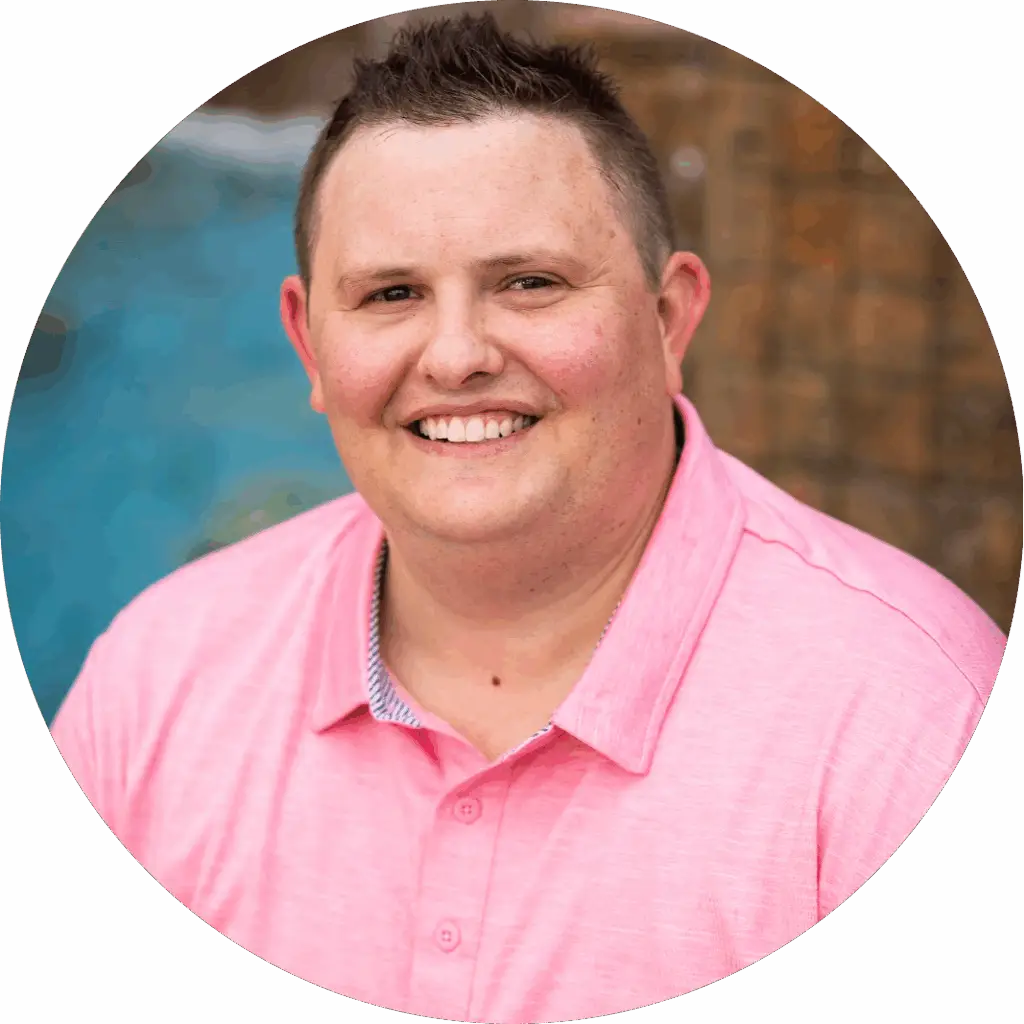
Chad Thompson, LCSW, is a Licensed Clinical Social Worker providing walk-and-talk therapy in Tampa, Florida, and telehealth services across Florida, Idaho, Ohio, South Carolina, and Utah. With a unique background in cinema studies and over a decade in hospitality, Chad brings a distinctive storytelling approach to therapy that helps clients see their struggles and growth through new perspectives.
He specializes in LDS counseling & faith-based counseling, as well as therapy that integrates clinical expertise with Christian values. Services also include anxiety therapy, depression treatment, and support for military families. Chad’s warm, authentic style creates a safe space where faith and mental health can work together toward healing.
Contact us today to schedule a session and take the first step toward a more peaceful life.