
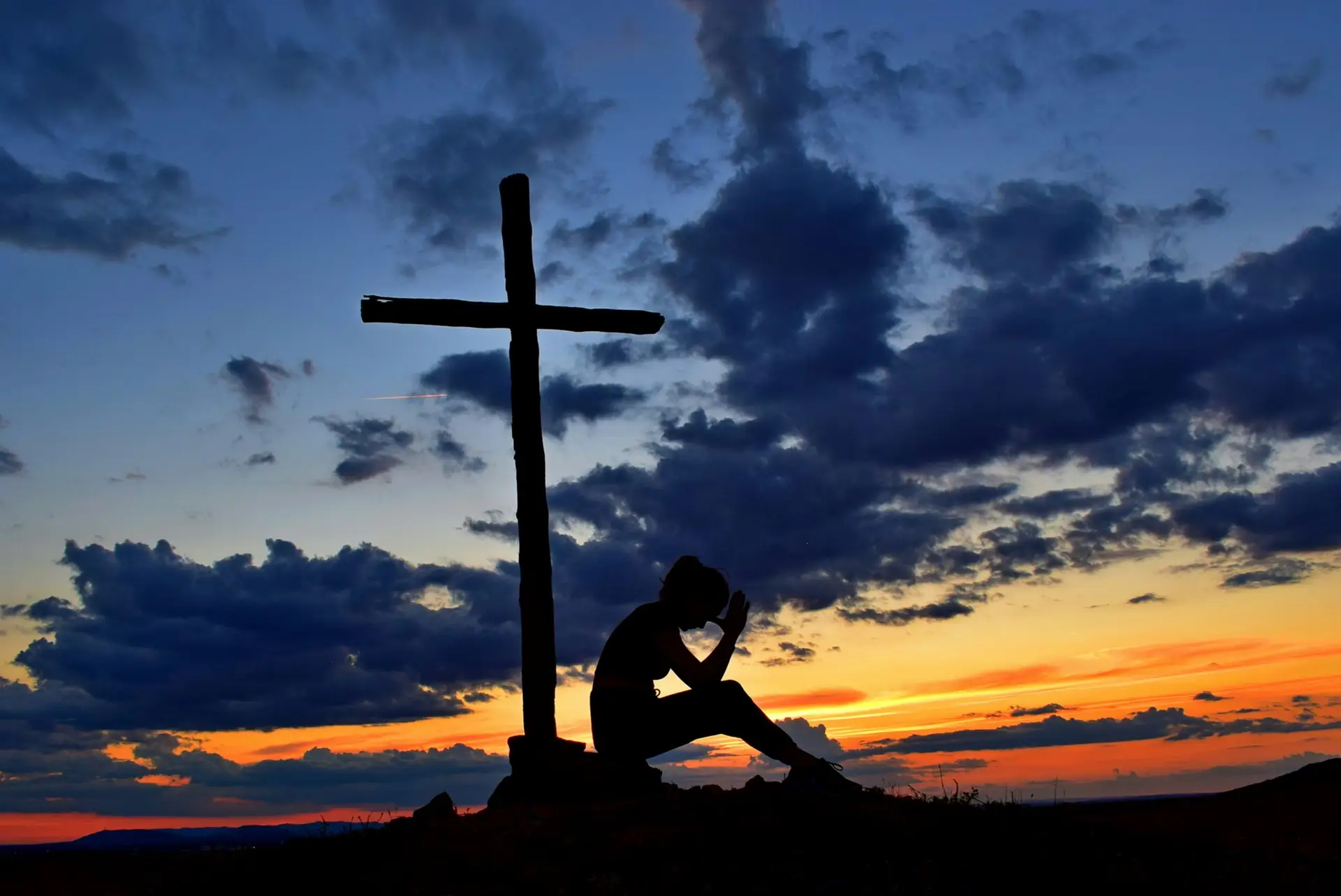
You may be wondering whether or not what you went through counts as religious trauma, and that question itself deserves real attention. Seeking therapy to address your trauma does not mean being handed a new set of beliefs. It’s about providing you with a space to work through what happened, understand its lasting effects, rebuild trust in yourself, and go at whatever pace feels right. Whatever you eventually decide about your faith is entirely up to you.
What Is Religious Trauma?
Religious trauma is the ongoing emotional, psychological, and sometimes physical toll of harmful experiences tied to religion. It can grow from teachings rooted in fear or shame, being punished or shut out for asking questions, spiritual abuse from a leader or authority figure, or an upbringing where love and belonging felt conditional on obedience. It can also come from something harder to identify, like years of absorbing the idea that your body, your desires, or your doubts made you feel unwelcome or unworthy.
How Does Religious Trauma Show Up Differently for People?
There’s no universal template for how trauma appears. It varies based on a person’s family, culture, denomination, community, identity, and personal relationship to faith. For some, their experience might involve clear-cut spiritual abuse. Others might feel the trauma build slowly, through years of quiet fear, silence, perfectionism, or a habit of putting everyone else’s needs above their own.
It’s not just about the severity of the experience. It’s about how that experience reshaped your sense of self, your relationships, your safety, your ability to choose, and your sense of where you belong.
Religious Trauma, Spiritual Abuse, and Church Hurt: What’s the Difference?
These terms get used interchangeably, but they aren’t quite the same.
- Religious trauma refers to the lasting psychological impact of harmful experiences on the person who lived through them.
- Spiritual abuse refers to the misuse of religious authority or teachings to control or harm someone.
- Church hurt is a broader, everyday term for pain caused within a faith community; this can include conflict, betrayal, or judgment that may or may not reach the level of trauma.
You don’t need to land on the perfect label before you reach out to seek support. These are meant to be explored with your therapist so you can assess your feelings under professional guidance.
Religious Trauma in High-Control Religious Environments
Trauma that stems from a religious environment tends to take root more easily in settings where staying “in” depends on strict obedience, conformity, secrecy, or fear of consequences. Typical patterns include enforcing rigid black-and-white thinking, discouraging outside relationships or information, punishing questions, and treating leadership as beyond reproach. These dynamics aren’t limited to religious congregations. They can also surface in families, schools, ministries, marriages, small groups, or entire communities that operate under a similar structure.
Common Signs Religious Trauma May Be Affecting You
Signs of religious trauma can manifest across several parts of your life at once, making them tricky to pin down. Here’s a breakdown by category:
- Emotional Signs: A near-constant undercurrent of guilt or shame, fear of consequences even for small everyday choices, generalized anxiety, or the feeling that you’re always falling short.
- Thought-Based Signs: Rigid all-or-nothing thinking, difficulty relying on your own judgment, intrusive fear-driven thoughts, or trouble distinguishing what you actually believe from what you were told to believe.
- Relationship and Boundary Signs: A tendency to please others at your own expense, difficulty saying no, a desire to avoid conflict at all costs, or a habit of over-explaining and over-apologizing.
- Body-Based Signs: Ongoing physical tension, increased heart rate around certain topics or places, disrupted sleep, or feeling a sense of threat with no clear cause.
If any of this sounds familiar, it doesn’t mean that there is something wrong with you. It means your mind and body developed coping mechanisms in response to a demanding environment.
What Are Some Specific Examples of Religious Trauma?
The experiences that contribute to religious trauma aren’t always obvious, and it’s rarely one single dramatic incident. The impact it has also varies depending on a person’s family, culture, and how closely their faith is tied to their personal life. It could result from being told that your curiosity or doubt is sinful, or being made to feel ashamed of your body, sexuality, or gender identity. Over time, you may begin to doubt your decision-making skills.
It could also influence interpersonal dynamics if you end up losing relationships after stepping away from a church or community. On the other hand, you may feel like others are forcing you to interact with and even forgive someone who caused you harm. And going against the wishes of those closest to you might feel impossible if your sense of safety and love are tied to compliance. And these feelings can last even after you’ve left a harmful environment.
For others, it can show up as being made to feel as though your mental health struggles are a spiritual failing rather than a normal human condition. And voicing these concerns to your spiritual leader or mentor doesn’t always go the way you’d like. When they brush your concerns aside, you may feel neglected and misunderstood.
At the same time, plenty of people carry real trauma while still holding onto genuinely good parts of their faith, upbringing, or community. Both can be true at the same time. Acknowledging your experiences doesn’t erase your faith.
Is Religious Trauma the Same as Faith Deconstruction?
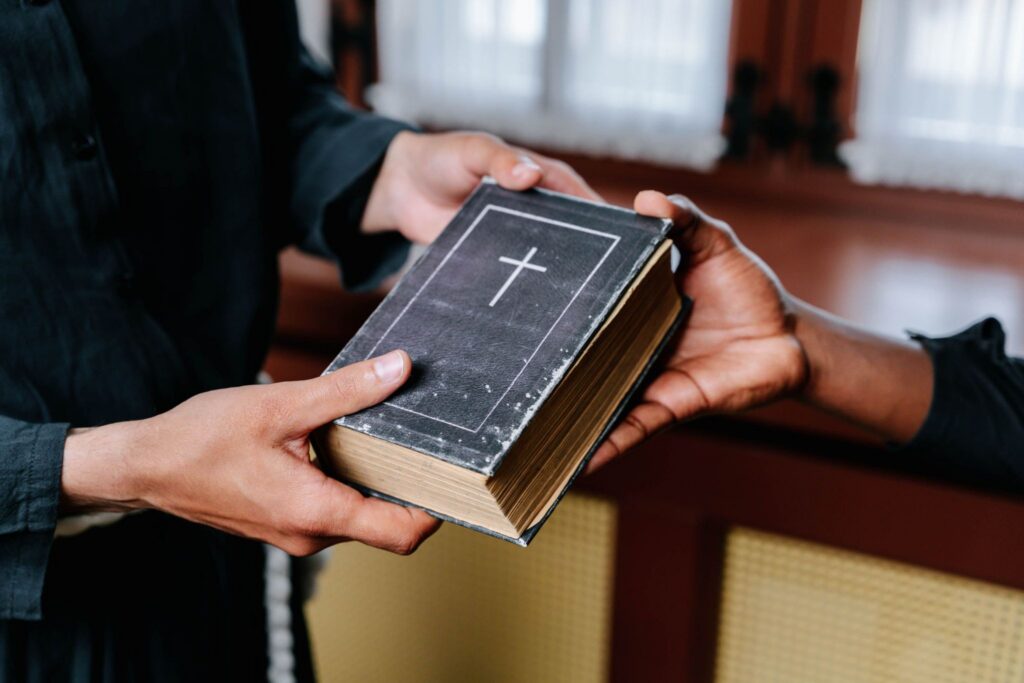
Not exactly. Deconstruction is the process of examining and re-evaluating beliefs you once held. It’s both an intellectual and spiritual undertaking that doesn’t necessarily involve trauma. Religious trauma is about the impact left behind, not about what you currently believe. It is possible to go through deconstruction without experiencing trauma, and someone can carry trauma while still holding their original beliefs.
Many people navigating this also deal with faith transition anxiety, which includes the fear, grief, or disorientation that surfaces when you start questioning something that used to serve as a foundation for your identity, relationships, or sense of community.
Why Does Religious Trauma Stay in the Body and Mind?
You might still feel its effects long after leaving a church or community, changing your beliefs, or intellectually rejecting harmful messages. Trauma isn’t stored as a belief system, and treating it effectively requires more than that. It’s stored as learned patterns of fear, hypervigilance, and self-protection. Your nervous system doesn’t automatically catch up just because your thinking has shifted. That’s why old teachings can still trigger a jolt of shame or fear well after you’ve stopped believing them.
Can Religious Trauma Happen If Some Parts of Faith Were Meaningful?
Yes, you can carry real trauma even if parts of your faith were genuinely meaningful. It is possible to experience religious trauma while still finding value in community, ritual, music, or a sense of purpose. These aspects can still provide comfort and hold real value even while other parts of that same environment cause harm. Healing doesn’t require concluding that everything about your faith is bad.
Do I Have Religious Trauma? Questions to Ask Yourself
Reflect on your experiences and consider the following:
- Which teachings still spark fear or shame in me today?
- Where do I feel cut off from my own needs or values?
- What topics feel almost impossible to question, even privately?
- Do I feel safe disagreeing with people close to me?
- What would I like to explore more slowly, without pressure to reach a conclusion?
These reflections aren’t meant to diagnose anything; they’re simply a starting point.
If one or more of these questions resonated with you, this approach may be right for you. Our religious trauma therapy page outlines what working together could look like. Therapy can give you room to untangle feelings of guilt, shame, and anxiety, as well as faith-related questions, boundaries, and self-trust. And you can feel at ease knowing that there is no expectation about whether you stay in or leave your faith.
How Religious Trauma Therapy Can Support Healing
- Therapy Can Help You Process What Happens Without Pressure. You control the pace. Sessions give you a place to talk through your experiences when you’re ready, without any pressure to disclose more than you feel comfortable.
- Therapy Can Help Identify Internalized Fear and Shame. Patterns of fear or shame can become so familiar they start to feel like part of your personality. Therapy helps separate what’s genuinely yours from what was instilled in you.
- Therapy Can Support Self-Trust and Values Clarification. When your instincts were discouraged for years, rebuilding confidence in your own perceptions takes time. This work supports that rebuilding directly.
- Therapy Can Support Grief, Anger, and Identity Repair. Losing a community, an identity, or a sense of certainty is a real loss, and anger is a legitimate part of moving through it. Therapy makes room for both without rushing the process.
- Therapy Can Help With Boundaries and Relationships. Setting boundaries with family, community, or old belief systems is often central to this work, and therapy provides a low-pressure setting to practice them.
For those in the Tampa area or elsewhere in Florida, in-person and online sessions are available and can be scheduled to fit your life and comfort level.

Common Misconceptions About Religious Trauma Therapy
Therapy for religious trauma is not about handing you a new belief system or pushing you to leave your faith. Therapy in general is not about telling you what to believe, but rather to help you explore your questions and reflect on what you’ve been through. And by working with a therapist who understands your faith, you can feel at ease knowing it won’t be mocked or dismissed.
There is no set timeline for healing from trauma. You won’t be pressured to forgive those who have hurt you or to share more than you feel comfortable discussing. Remember, this is about you and your mental health. You set the pace.
If You Are Still Living Within That Environment
If you’re still connected to a person or community that feels unsafe, controlling, or threatening, moving forward may require careful thought and intention. A therapist can help you think through next steps and prioritize your well-being without pushing you toward any specific decision. You don’t need to make a major change before you feel ready.
What to Do If You Think You May Have Religious Trauma
1. Name What You Are Noticing. Which teachings still stir up fear or shame? Where do you feel disconnected from your own needs? Are there beliefs you avoid questioning? What would you like to better understand about yourself?
2. Notice What Happens in Your Body. Tightness, a racing pulse, or a sense of dread around certain topics are worth paying attention to. Trauma often shows up in your body before your mind has found a way to put it into words.
3. Seek Support That Does Not Pressure You. Whether it’s a therapist, a friend, or a community, look for support that lets you explore at your own speed without steering you toward a particular outcome.
4. Give Yourself Permission to Go Slowly. There’s no deadline on this kind of healing. It’s okay to take things slowly; small, steady steps still count as real progress.
Religious Trauma Therapy in Tampa and Online in Florida
If you’re searching for a Tampa-based therapist for religious trauma, it is important to find someone who understands both the emotional weight and the spiritual complexity behind it. Calming Transformations Counseling works with clients experiencing religious trauma, spiritual abuse, church hurt, faith transitions, anxiety, shame, perfectionism, people-pleasing, boundaries, and issues with self-trust.
Currently available:
- Religious trauma therapy through walk-and-talk sessions local to Tampa
- Online religious trauma therapy across Florida
- Online therapy in Idaho, Ohio, South Carolina, and Utah.
If you’re wondering whether this is the right next step, reaching out for a consultation is an opportunity to ask questions and learn more about the process. You don’t have to commit to therapy; first, decide whether it feels like a good fit.
Frequently Asked Questions About Religious Trauma
What are signs of Religious Trauma?
While religious trauma looks different for everyone, there are some common indicators. For some, it shows up as anxiety, guilt, or shame related to doubts or questions about specific beliefs. It can also cause physical symptoms, like tensing up when specific topics or people come up. If something is impacting your day-to-day life, it is worth exploring further with a therapist.
Is religious trauma a real form of trauma?
Yes. Like any other traumatic experience, those connected to our faith can have a lasting impact. And even though it can be uncomfortable to bring up painful experiences related to our faith or community, it is important to face them instead of burying your feelings.
Is religious trauma the same as spiritual abuse?
Not exactly. Spiritual abuse refers to harmful behavior, such as manipulation or misuse of authority. And while this can lead to religious trauma, they are not one and the same. Spiritual abuse is also not the only cause of religious trauma.
Can therapy help with religious trauma?
It can; by providing a space to process difficult emotions related to your experience, you can better understand how it affects you and learn tools to help you cope. Therapy will help guide you to the best outcome for you; one that fits your personal goals and aligns with your beliefs.
Do I have to leave my faith to heal?
Not at all. Many people work with a therapist on their religious trauma while remaining an active member of their faith community. There’s no expectation for how you decide to identify with your faith moving forward; that is entirely up to you.
How do I know if I need religious trauma therapy?
If any of the items we reviewed in this article felt familiar to you, reach out and schedule a consultation. Speaking with a therapist about your concerns is the best way to figure out if therapy is the right fit for your needs.
What Comes Next?
Confusion, grief, fear, and a desire for clarity are common companions on this path. None of these feelings mean you’re doing anything wrong. They’re usually an indication that you’re trying to figure it out but don’t have the right tools. Wherever you are in the process, you don’t have to work through it alone or figure it all out at once.
For religious trauma therapy in Tampa or online support anywhere in Florida, Idaho, Ohio, South Carolina, and Utah, reach out anytime to learn more about working together.
About the Author

Chad Thompson, LCSW, is a Licensed Clinical Social Worker providing walk-and-talk therapy in Tampa, Florida, and telehealth services across Florida, Idaho, Ohio, South Carolina, and Utah. With a unique background in cinema studies and over a decade in hospitality, Chad brings a distinctive storytelling approach to therapy that helps clients see their struggles and growth through new perspectives.
He specializes in LDS counseling & faith-based counseling, as well as therapy that integrates clinical expertise with Christian values. Services also include anxiety therapy, depression treatment, and support for military families. Chad’s warm, authentic style creates a safe space where faith and mental health can work together toward healing.
Contact us today to schedule a session and take the first step toward a more peaceful life.