

Many people come to therapy looking for a way to move away from a current situation or state of mind. But there’s a particular kind of stuck that comes with religious trauma. It doesn’t always look like a crisis, but a progression of experiences. Sometimes working through it looks like sitting across from a therapist, in a quiet office, trying to find words for something your body has been holding onto for years. However, someone who grew up in high-control religious environments or left a faith community under painful circumstances may see the traditional therapy room as just another room where they’re expected to perform, explain, and be evaluated. That association alone can make healing harder.
This is part of why walk-and-talk therapy has been gaining attention, especially among people processing religious trauma. In Tampa Bay, where mild winters and abundant green space make outdoor sessions more accessible, walk-and-talk therapy for religious trauma is becoming a real option for people who want something different from the standard setup.
If you are considering walk-and-talk therapy for religious trauma, the first step is understanding why movement can help some clients feel less stuck, how trauma shows up in the body, who this approach tends to fit best, and when telehealth or office-based sessions might serve you better instead. None of this is meant to suggest that one format is better than another. Like anything else, we have preferences and needs to consider. Knowing your options helps you choose what might actually help, rather than defaulting to one specific format.
What Is Walk-and-Talk Therapy?
Walk-and-talk therapy is exactly what it sounds like: instead of sitting in an office, you and your therapist meet outside and have your session while walking. This typically takes place along a park path, trail, waterfront, or neighborhood route. The environment changes, but the clinical content of the session doesn’t. You’re still doing real therapeutic work, whether that’s processing a specific memory, working through anxiety, or unpacking a belief system that no longer fits who you are. What changes is where you are and how you’re moving while you do.
It’s ideal to choose a route in advance, one that’s quiet enough for confidential conversation and safe enough to navigate without much cognitive effort. In the Tampa Bay area, this might mean a session along Bayshore Boulevard, through a shaded neighborhood park, or along a trail in Riverview or South Tampa. The goal isn’t hitting a specific step count; it’s about creating a different setting for the conversation. You don’t have to sit still and face someone directly while discussing difficult material.
Walk-and-talk sessions are still bound by the same confidentiality and clinical standards as office-based therapy. The therapist is licensed and trained, the session is private, and the therapeutic relationship holds the same weight. The difference is structural, not clinical.
Most therapists who offer walk-and-talk sessions will build in flexibility around pace. If a client needs to stop and stand still for a moment while working through something difficult, or wants to sit on a bench partway through, the session can accommodate that without breaking the flow. The format is meant to reduce rigidity, not introduce a new set of rules about how your body has to move.
Why Movement May Help Some Clients Feel Less Stuck
There’s a reason “let’s take a walk and talk about it” is advice that predates modern psychology. Movement changes how people talk about and process difficult feelings or experiences. For some clients, particularly those who feel pressure or self-consciousness in face-to-face conversation, walking side by side removes the intensity of direct eye contact. That shift alone can make the session feel less intense and help naturally bring more difficult material to the surface.
Rhythmic movement can also regulate the nervous system. Walking at a steady pace is a repetitive motion that some clients find soothing, similar in principle to how rocking or pacing can settle agitation. For people whose nervous systems are often on alert, whether from anxiety, hypervigilance, or a trauma history, this kind of steady physical rhythm can make it easier to stay present during a hard conversation instead of shutting down or feeling overwhelmed.
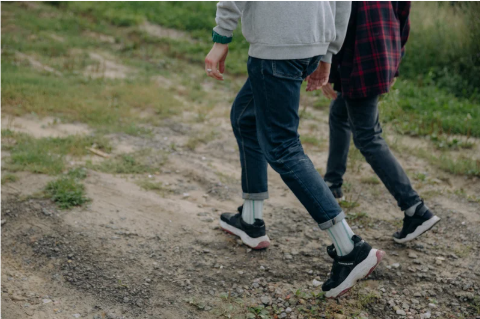
There can also be a correlation between the pace you set and your comfort with sharing thoughts and insights. Therapy rooms can start to feel like pressure chambers, especially for clients who grew up in environments where they were expected to have the right answer, confess the right things, or prove sincerity on demand. Walking outdoors, with scenery changing around you and no requirement to maintain a fixed gaze, can create more room to think. Thoughts sometimes arrive differently when you’re sitting still vs moving.
None of this means walking is a required ingredient for healing. It’s simply an option that works well for some people, and it’s worth exploring rather than assuming therapy has to look one particular way.
Religious Trauma, Anxiety, and Body-Based Stress
Religious trauma is a broad term and can mean different things depending on someone’s background. For some, it involves growing up in a high-control or fundamentalist environment where fear, shame, or strict behavioral rules shaped daily life. For others, it’s tied to a specific experience of harm, exclusion, or betrayal within a faith community. Often, it’s some combination of both: a slow accumulation of messages about worthiness, sin, obedience, and belonging that shaped how they see themselves. This can continue long after someone has left that environment, or even while they’re still part of it.
What makes religious trauma distinct from other forms of trauma is how deeply it can be woven into a person’s sense of identity, morality, and relationships. It’s not just an event to process. It’s often a whole framework for understanding the self and the world that needs to be examined, sometimes rebuilt, or let go of entirely. That kind of work touches nearly everything: how someone relates to their body, sexuality, family, community, and inner voice.
This is why religious trauma often shows up as anxiety that lives in the body rather than staying purely cognitive. Clients describe a tight chest as they walk into a place of worship they used to attend. Maybe your heart begins to race when a certain phrase or scripture comes up in conversation. Or you feel nausea or a knot in your stomach when discussing family expectations tied to faith. It can also look like hypervigilance about judgment, whether from a former community or from an internalized voice that never fully quiets down.
Because so much of this holding pattern is physical, body-based approaches can meaningfully complement traditional talk therapy. Walk-and-talk sessions bring the body into the process without turning the session into formal somatic work or exposure therapy. Simply being in motion, outdoors, away from any setting that resembles institutional space, can itself be a small but meaningful part of the process. This can be especially impactful for clients whose trauma is tied to enclosed rooms, rows of chairs, or the physical memory of being watched and evaluated.
Who Is Right for Walk-and-Talk Therapy?
Walk-and-talk therapy can be a good fit for a specific range of clients and circumstances, but it isn’t universal. It often works well for people who:
- Feel more comfortable talking side by side than face to face, especially when discussing heavy material
- Experience anxiety or restlessness that makes sitting still through a session difficult
- Associate enclosed rooms, especially formal or institutional-feeling ones, with painful memories of religious spaces
- Find that movement helps them think, process, or access emotion more easily than stillness
- Are working through religious trauma that includes a strong body-based component, like anxiety, hypervigilance, or physical tension
- Want therapy to feel less clinical and more integrated into everyday life
- Are already comfortable being outside and don’t find weather, terrain, or public settings distracting
For clients in this category, walking outside can lower the barrier to talking about things that feel too big or too shameful to say while sitting across from a therapist. Therapy feels less like an appointment and more like a natural extension of processing life as it happens. This difference can matter for people whose religious background trained them to compartmentalize and perform rather than be their true self.
Walk-and-talk therapy doesn’t have to be an all-or-nothing choice. Some clients alternate between outdoor and office sessions depending on t a particular week’s material. Some topics benefit from movement for certain kinds of processing, while others call for stillness.
It also tends to suit people who are early in questioning or leaving a religious community, when so much of the internal experience is still disorganized and hard to name. Walking alongside someone, rather than facing them, can lower the pressure to have a tidy narrative ready. There’s room for silence, for circling back, and for thoughts that trail off mid-sentence, in a way that may be more difficult to access in a seated, face-to-face format.
When Telehealth Might Be a Better Fit
Walk-and-talk therapy isn’t the right fit for every session, every client, or every stage of therapy. A good therapist will be honest about that rather than pushing one format over another. Telehealth offers its own advantages, especially for people processing religious trauma. Some clients feel safest in their own home, particularly if leaving the house triggers anxiety. They may not be ready to be seen by a therapist in public, even on a walking trail. Even a quiet trail carries some risk of passersby, barking dogs, or interruptions. For clients discussing especially vulnerable material, that unpredictability can undermine the sense of safety therapy depends on.
Telehealth therapy also eliminates travel time and can make scheduling easier. This can be especially helpful for people balancing work, caregiving, anxiety, or depression. For clients who are still part of a religious community, telehealth can also offer more privacy. Meeting from home may feel safer than being seen with a therapist in a familiar place.
There’s also the matter of weather and physical capacity. Tampa Bay’s summer heat and humidity can make outdoor sessions uncomfortable or even impractical for months at a time. In such instances, indoor walk-and-talk therapy is another option you can explore with your therapist. A flexible therapist will typically offer a mix of formats and check in regularly about what’s working. One modality won’t necessarily fit every phase of someone’s healing. And no format is better than another in any absolute sense. It should follow the client’s needs, the content of the work, and practical realities like weather, privacy, and physical comfort.
Finding Walk-and-Talk Therapy for Religious Trauma in Tampa Bay
If you’re based in Tampa, Riverview, or elsewhere in the Tampa Bay area and you’re looking for a therapist who understands religious trauma and offers walk-and-talk sessions as an option, you’re in the right place. You don’t have to choose between healing your relationship with your body and healing your relationship with your past. Outdoor therapy for religious trauma can offer a different way in, especially if traditional office settings have felt too similar to the spaces you’re trying to move away from.
A therapist who specializes in religious trauma in the Tampa Bay area can help you decide which format fits your needs. That might be walk-and-talk therapy, office-based therapy, or telehealth. Your therapist can also adjust the approach as your needs change. If you’re ready to explore therapy outside the four walls you grew up in, support is available. Reach out to a Tampa Bay religious trauma therapist to learn more about walk-and-talk therapy and find a place to start.
FAQS About Religious Trauma and Walk-and-Talk Therapy
Can walk-and-talk therapy help religious trauma?
Yes, walk-and-talk therapy can be a helpful option for people processing religious trauma, particularly if a traditional office setting seems intimidating or too reminiscent of a restrictive religious environment. Walking outside can make it easier to process your experiences, and it uses the same clinical practices as traditional therapy. The difference is the setting and physical movement.
Where does walk-and-talk therapy happen?
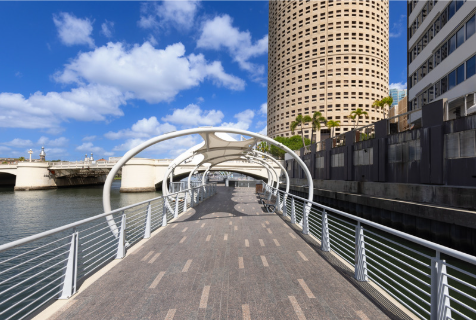
You and your therapist will decide on a location ahead of the session. It could take place in a park, local neighborhood trail, or walking path like the Tampa Riverwalk; the important part is making sure you are comfortable and have enough space for privacy and movement.
Is outdoor therapy private?
While outdoor therapy can’t offer the same level of privacy as a closed office, there are certain steps you can take to avoid disruption or others overhearing your conversation. Choose a setting that offers as much privacy as reasonably possible, and discuss strategies with your therapist ahead of time for what to do if you encounter someone else. You can pause, change topics, or shift to in-office for future sessions based on your preferences.
What if I prefer online therapy?
If you prefer virtual therapy, you can still incorporate movement into the session. Online walk-and-talk therapy combines both, using a secure video connection to conduct the session while you and your therapist walk in separate but similar environments. You could walk on a treadmill or choose a location close to your home, and your therapist can mirror your setup. Or, you can stick with traditional online therapy; your comfort is the most important factor.
Can we talk about faith transition while walking?
Absolutely; a walk-and-talk session is a great place to explore questions about faith, identity, and what comes next without needing to have an answer right away. Faith transitions can bring up feelings of grief, anxiety, guilt, and uncertainty, and therapy can help you better understand why.
About the Author
Chad Thompson, LCSW, is a Licensed Clinical Social Worker providing walk-and-talk therapy in Tampa, Florida, combining the benefits of movement with clinical practices. Telehealth services are also available across Florida, Idaho, Ohio, South Carolina, and Utah.
With a unique background in cinema studies and over a decade in hospitality, Chad brings a distinctive storytelling approach to therapy that helps clients see their struggles and growth through new perspectives. He also specializes in faith-based counseling that integrates mental health practices with your personal beliefs. Services also include anxiety therapy and faith deconstruction/transition counseling.
Contact us today to schedule a session and take the first step toward a more peaceful life.