
The Difference Between Church Hurt and Religious Trauma
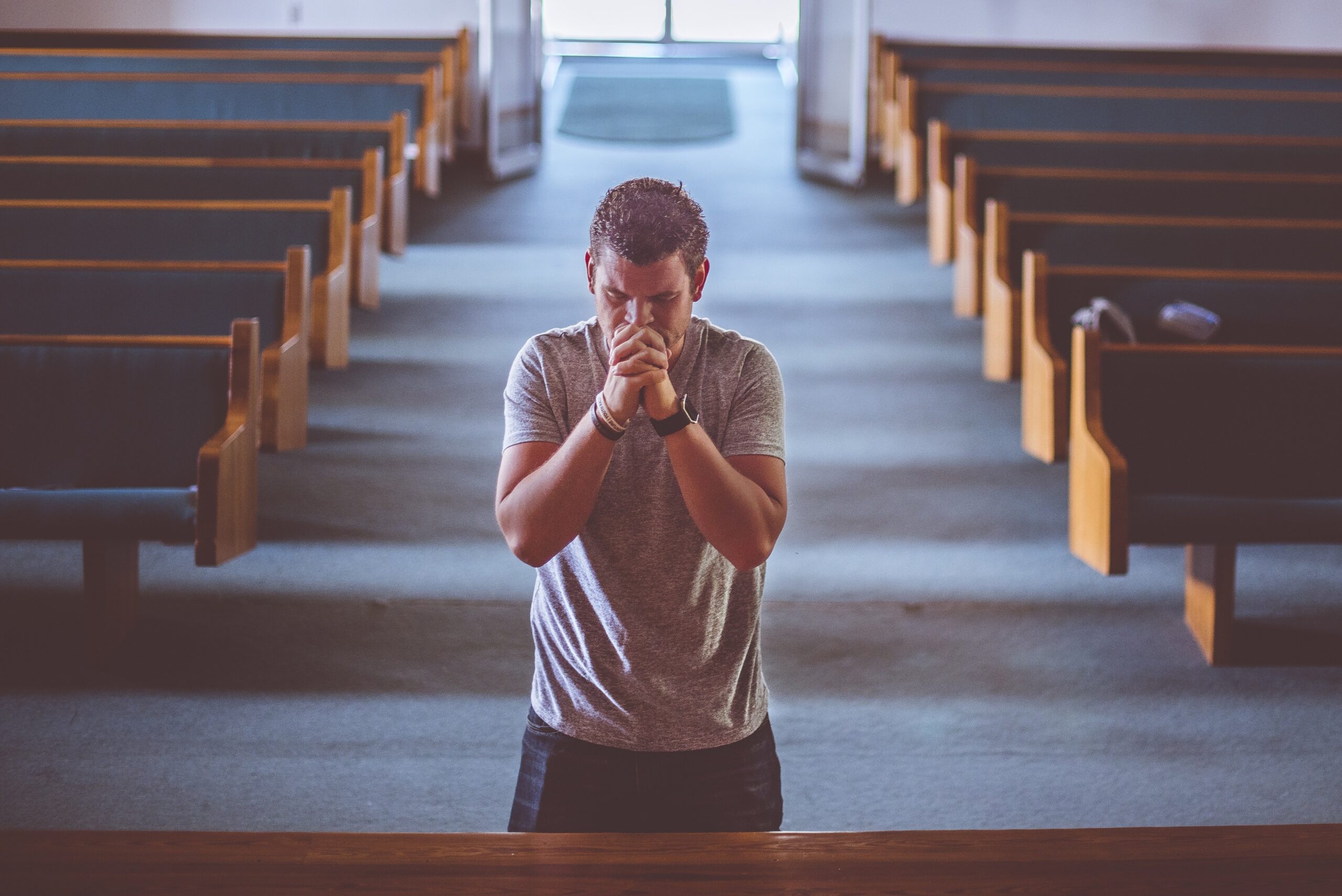
People tend to use these phrases interchangeably when they talk about painful experiences related to faith, but they don’t necessarily mean the same thing. You may have left a church, questioned your beliefs, or experienced something that made you feel hurt, yet still find yourself carrying guilt, fear, or shame for a long time. Sometimes these feelings may fade with time, but sometimes they continue to affect you through your thoughts, emotions, and self-image.
While church hurt and religious trauma can overlap, you don’t need to know which one you resonate with before seeking help. Knowing that you want help because you are struggling can be the first step to healing.
Church Hurt vs. Religious Trauma
Church hurt usually refers to painful experiences within a church or faith community. It can involve feeling judged, excluded, betrayed, misunderstood, or disappointed by people you trusted. Since the phrase “church hurt” feels less overwhelming and heavy than the word “trauma,” many people are inclined to describe their experiences this way before considering anything else.
When we talk about church hurt compared to religious trauma, the differentiating factor is how deeply those experiences continue affecting someone’s life. Religious trauma can develop when fear, shame, control, or safety are connected to a person’s belief and identity. Instead of being a painful memory, those experiences linger in the way you respond to relationships, faith, and other situations.
No matter what category you ultimately identify more with, both can impact your day-to-day life. People may struggle with trusting their own thoughts and emotions after years of being told they were wrong. Others may struggle with anxiety around church, prayer, worship music, or conversations about faith. Everyone’s experience is different, and all are valid; we all deserve understanding and compassion.
When Disappointment Becomes Harmful
Not every painful experience in a church becomes trauma. But when it does, it is often a result of an ongoing pattern over time. Those repeated experiences can slowly affect the way someone sees themselves and the people around them.
Someone may be silenced after speaking about their thoughts, pressured to forgive before they are ready, or blamed for another person’s behavior. Others may be told their questions are sinful, lose relationships after setting boundaries, or feel ashamed of their identity, grief, or personal needs. Living with the fear of disagreeing with religious leaders or family members can also make it difficult to feel emotionally secure.
There isn’t one event that determines whether something is “serious enough” to affect you. What matters is whether those experiences continue to affect your daily life long after they happened. If they do, it may be a sign that your mind and body are still trying to process what you’ve been through.
The Role of Power, Fear, Shame, and Control
Religious trauma is often about more than hurt feelings. In some situations, it can involve unhealthy power dynamics that leave people feeling afraid to question, disagree, or trust themselves. This is one reason conversations about spiritual abuse vs. religious trauma often get mixed up, even though they are not the same thing.
For some people, spiritual authority can be used to create fear of punishment, rejection, or disappointing God. Shame may discourage questions, boundaries, or honest emotions, while belonging begins to feel conditional and something you need to earn. Over time, you may learn to doubt your thoughts, emotions, or instincts instead of trusting them.
These experiences can happen in some religious settings, but they don’t reflect every church or faith community. Many people find religion to be a source of comfort and hope. Still, it’s important to recognize that harmful experiences within some faith environments can leave lingering emotional effects that deserve care and support.
Spiritual Pain After Church Can Affect More Than Beliefs
Church hurt and religious trauma aren’t confined to impacting only certain aspects of your life. For some, the pain shows up in everyday life, making it harder for them to trust themselves, build healthy relationships, or feel emotionally safe. Spiritual pain after difficult faith-related experiences can continue long after someone has left a church or changed their beliefs.
Some people may experience anxiety, trouble sleeping, or difficulty setting boundaries. Others might carry shame around their identity, emotions, or personal needs. Things like worship songs, prayer, or conversations about faith may even trigger someone’s fear or panic. However, these reactions don’t reflect what they believe. They’re just how their body and mind have adapted to respond to these types of things after difficult experiences.
Why It Can Be Hard to Name Religious Trauma
Many people feel hesitant to label their experience as religious trauma. They may still love parts of their faith, feel connected to the church community, or worry they’re exaggerating what happened. It may feel confusing to reconcile the good and bad memories.
Others may fear that labeling it means they’re rejecting God or abandoning their beliefs. But you can heal from religious trauma and still keep practicing your faith. Therapy isn’t about telling you what to believe; it’s about giving space to make sense of your experiences with zero judgment.
Support May Be Helpful If Church Hurt Still Affects You
If you often think about painful memories, feel anxious about attending church, or struggle with guilt or self-trust, then those experiences may still be affecting you. You don’t need to wait until your pain becomes unbearable before asking for help.
Therapy can provide a place to understand what happened, process these difficult emotions, and move forward at a pace that feels right for you.
Can Therapy Help With Church Hurt?
Therapy tailored to help with church hurt provides you with a space to process the experiences that may still affect you. Instead of focusing on changing your beliefs, therapy helps you understand how everything has shaped your emotions, relationships, and self-image.
People often use therapy to work through things like shame, grief, guilt, anxiety, or fear while rebuilding their self-trust and learning healthy boundaries. But healing doesn’t look the same for everyone, and it’s not supposed to. Therapy respects your values, choices, and personal goals more than your progress.

What Therapy for Church Hurt Should Not Do
A good therapist will never pressure you to forgive before you’re ready, return to the church, leave your faith, or tell you whether your experience counts as trauma. That’s not what they are meant to or want to do. A therapist will provide you with a supportive space where you can move at your own pace and make decisions with your values and what feels right to you, with zero pressure.
Moving at Your Own Pace
You don’t need to figure everything out before reaching out. You don’t even have to know if you have specifically gone through church hurt or religious trauma. Healing often begins when you give yourself the chance to voice your thoughts; the rest may come easily.
Therapy for Church Hurt in Tampa and Online Across Florida
Whether you’re looking for therapy for church hurt in Tampa, religious trauma therapy Tampa, or online therapy for church hurt Florida, our support is always available.
Online therapy allows you to receive this support in the comfort of your home and get help from a therapist who understands the influence of church hurt, religious trauma, and more.
What to Expect in a Consultation
In a consultation, you have the opportunity to share why you decided to reach out, ask questions about things you’re unsure about, and learn whether therapy is the right fit for you. You don’t need to have every issue in your story sorted before reaching out; showing up is enough.
Support for Church Hurt and Religious Trauma
Healing doesn’t mean you have to have everything figured out. Whether you’re struggling with church hurt, religious trauma, shame, or any other faith-related issue, you deserve support that respects your experiences and choices. If you’re looking for support, scheduling a consultation can be a good, gentle step towards healing.
Frequently Asked Questions about Church Hurt and Religious Trauma
Is Church Hurt the Same As Religious Trauma?
No; while they may seem similar, there are a few key differences. Church hurt usually refers to painful experiences within a church, as a result of pressure from a religious leader, or because of an event related to a faith community. Religious trauma describes the lasting emotional or psychological effects of an event. It impacts your thoughts, relationships, and emotions regularly.
Can Church Hurt Cause Anxiety?
Yes; difficult experiences within a church or religious environment can contribute to anxiety, especially when tied to a person we looked up to or trusted. Anxiety can show up during services, prayer, conversations about your faith, or even a situation unrelated to your religion but triggers your underlying feelings.
Why do I feel guilty leaving a church?
It’s normal to feel guilt when you leave an environment or community that connected you with your faith, friends, family, and sense of purpose. Even when your beliefs change, your connection doesn’t just disappear.
Can therapy help with church hurt?
Yes; therapy can help you process the feelings you have while processing difficult experiences related to your faith. And you do not have to make any decisions about your faith before seeking out therapy. A therapist is not here to influence your beliefs or whether or not to remain in your faith community. Therapy provides a space to process your thoughts without any pressure.
Do I have to stop being religious to heal?
No, you can process your feelings and build boundaries while actively practicing your faith. Some people continue practicing, while others step away from it for a while. Therapy isn’t about influencing your beliefs, but giving you space to make that choice.
About the Author

Chad Thompson, LCSW, is a Licensed Clinical Social Worker providing walk-and-talk therapy in Tampa, Florida, and telehealth services across Florida, Idaho, Ohio, South Carolina, and Utah. With a unique background in cinema studies and over a decade in hospitality, Chad brings a distinctive storytelling approach to therapy that helps clients see their struggles and growth through new perspectives.
He specializes in LDS counseling & faith-based counseling, as well as therapy that integrates clinical expertise with Christian values. Services also include anxiety therapy, depression treatment, and support for military families. Chad’s warm, authentic style creates a safe space where faith and mental health can work together toward healing.
Contact us today to schedule a session and take the first step toward a more peaceful life.